

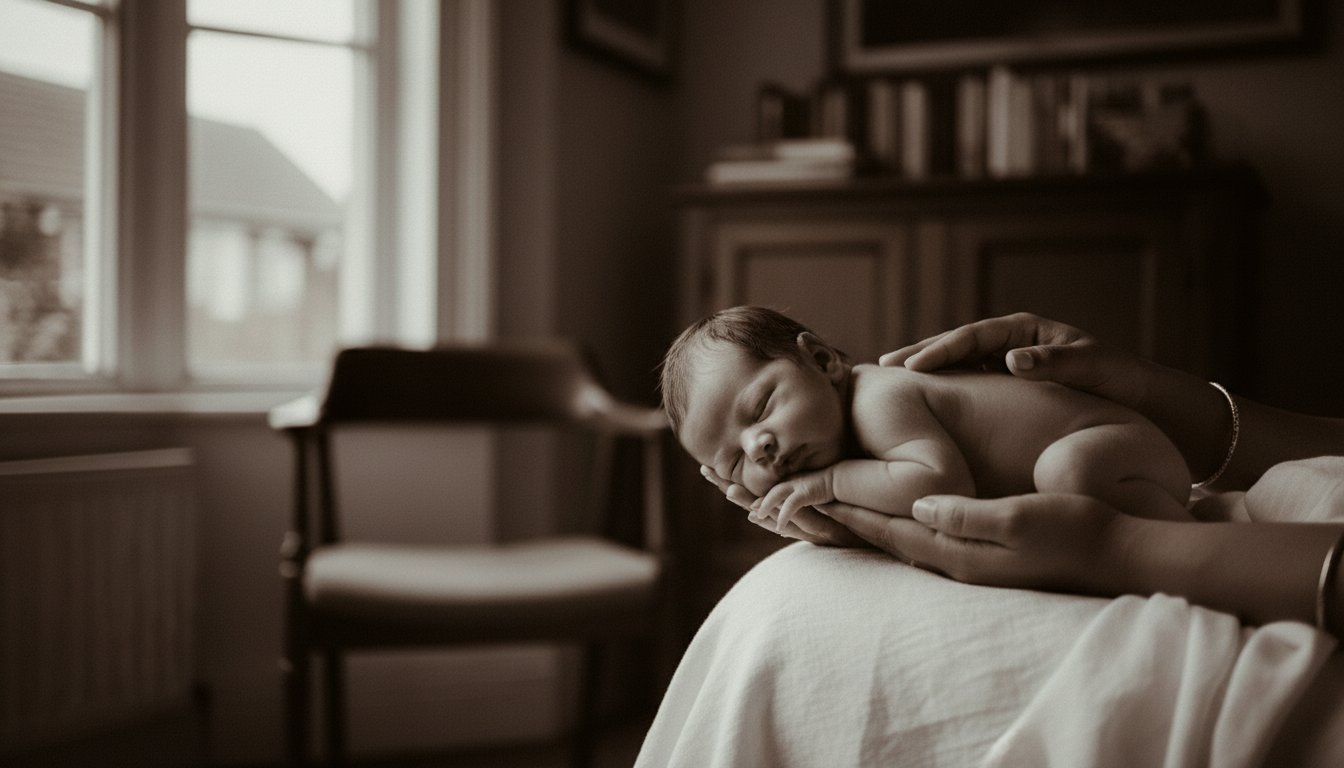
Imagine the quiet, rhythmic breathing of your six day old baby as they curl into a tiny, velvet crescent against your chest. These first days are a haze of oxytocin and soft light, yet they hold a fragile magic that begins to change the moment your little one starts to stretch and wake. You probably worry that by the time you’ve physically recovered or found your rhythm at home, the perfect moment for portraits will have vanished. It’s a pressure felt by many new parents across the UK, particularly when a due date is rarely more than a gentle estimate.
This guide clarifies exactly when to do newborn photos to capture the specific legacy you wish to preserve. You’ll discover how the aesthetic shifts from the curled, sleepy stillness of the first ten days to the soulful, wide eyed connection of a one month old. We will walk through the timing for both posed and lifestyle sessions, giving you the confidence to book a date that honours your recovery and your baby’s unique arrival. From the early “sleepy” window to emotive family portraits, you can ensure these fleeting moments are held forever in a timeless, bespoke collection.
Key Takeaways
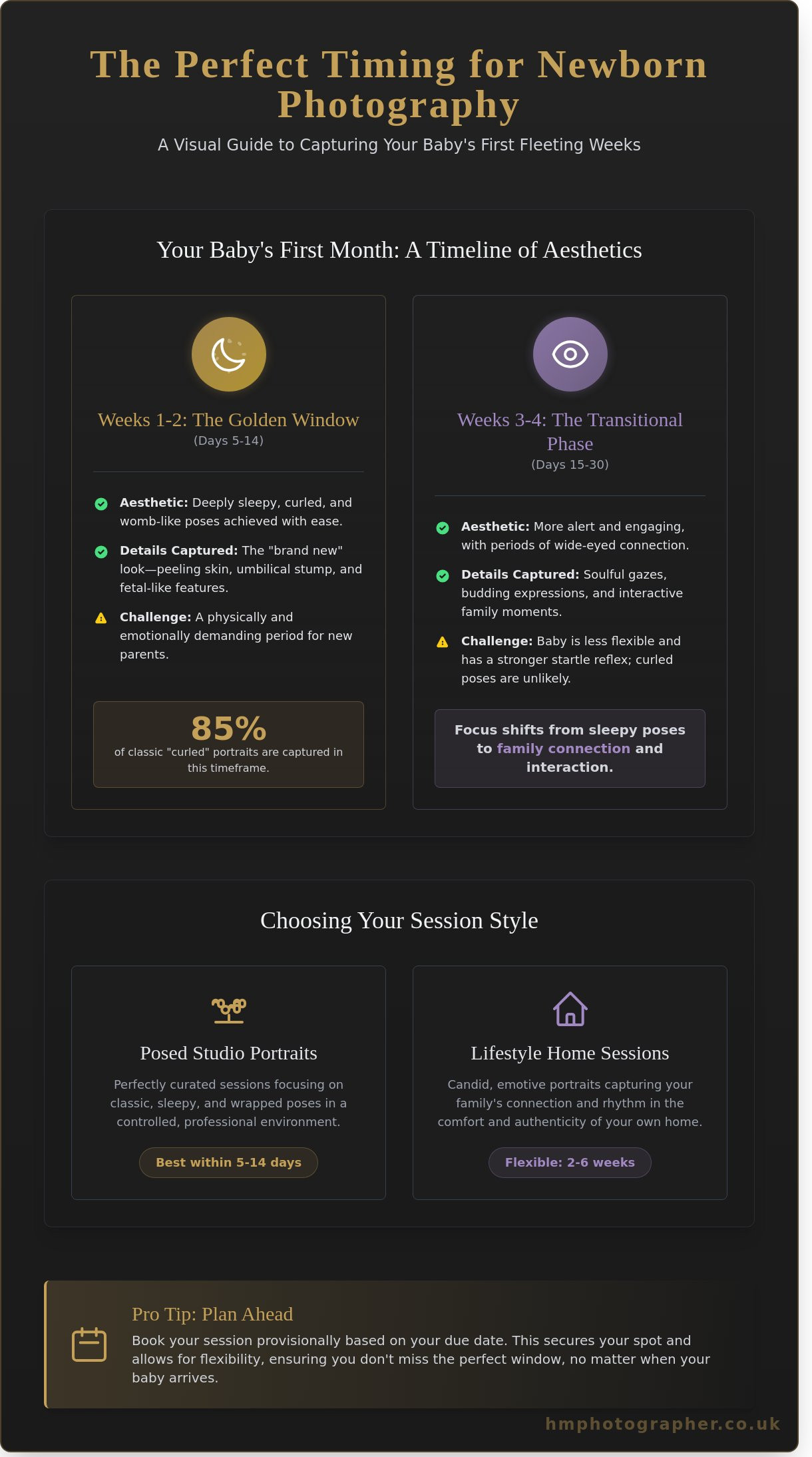
- Discover why the first five to 14 days represent the “golden window” for capturing those evocative, curled-up poses that mirror the quiet comfort of the womb.
- Learn how to choose the perfect date based on your preferred aesthetic, whether you desire the stillness of a sleepy infant or the budding engagement of a slightly older baby.
- Understand the logistical differences between bespoke studio portraits and lifestyle home sessions to decide when to do newborn photos that best suit your family’s rhythm.
- Master the art of provisional booking to ensure your session is secured, allowing for the beautiful and romantic unpredictability of your baby’s arrival.
- Explore how a professional approach prioritises maternal comfort and infant safety, ensuring your first family heirlooms are crafted with both poise and care.
Understanding the “Golden Window” for Newborn Photography
The first few days of a child’s life are a fleeting, ethereal season. Deciding when to do newborn photos involves understanding a delicate biological timeline that shifts almost daily. Most photographers identify the “golden window” as the period between day 5 and day 14. During this fortnight, babies retain much of their foetal flexibility, allowing them to curl naturally into the soft, womb-like positions that have become a hallmark of the art of photography in the modern age. This window isn’t merely a stylistic choice; it’s rooted in the deep, rhythmic sleep patterns that newborns experience before they become more alert to the world around them.
By the time a baby reaches their second week, their bones begin to harden and their startle reflex becomes more pronounced. Professional photographers favour the initial 14-day period because it allows for an unobtrusive process where the baby remains settled. This biological window ensures that the transition from a gentle wrap to a curled pose happens without waking the infant. It’s a quiet, rhythmic dance between the photographer and the sleeping child, prioritising the baby’s comfort while capturing their most authentic, brand-new state.
The 5-14 Day Window: Pros and Cons
This early stage offers a unique opportunity to capture the raw, exquisite details of a new life. You’ll see the delicate peeling of the skin and the tiny umbilical stump, markers of a journey just begun. Industry data suggests that 85% of “curled” newborn portraits are captured before day 12 to ensure the baby remains in a deep sleep. However, these 14 days are often the most demanding for parents. Sleep deprivation is a reality for 100% of new families. Finding the energy for a bespoke session can feel daunting, yet the result is a timeless preservation of a legacy that evolves into the “older baby” phase by week four.
- Advantage: Easier to achieve complex, “wrapped” poses while the baby is deeply asleep.
- Advantage: Capturing the “brand new” details like peeling skin and umbilical stumps.
- Challenge: Parents are often at their most exhausted during these first few days.
Is 14 Days a Strict Deadline?
Many parents worry they’ve missed the chance if they haven’t booked by day 15. This is a myth. While the “sleepy” poses are easier early on, the transitional phase between 2 and 4 weeks offers its own emotive beauty. Older babies are more alert, providing opportunities for wide-eyed gazes and soulful connections. A skilled photographer adapts their storytelling approach, prioritising comfort over complex wrapping. Knowing when to do newborn photos depends largely on the style you prefer; if you value connection and open eyes, the third week is often perfect. By week four, the baby begins to lose that initial newborn curl, transitioning into a more active infant stage.
A Week-by-Week Guide to Your Baby’s Changing Features
The first month of a child’s life is a collection of fleeting whispers. Every seven days marks a profound shift in their physical story. One week they are a compact miracle, the next, they are unfurling like a spring bloom. When deciding when to do newborn photos, your choice dictates the visual narrative we create together. It’s a balance between the aesthetic you favour and the natural rhythm of your baby’s growth. Time moves quickly. A legacy preserved in ink and light is the only way to hold onto these transitions.
Every week brings a new first and a subtle change in your baby’s appearance. Feeding patterns and weight gain influence the “look” of the portraits significantly. By day 14, many infants begin to lose the initial “sculpted” look of a newborn as they gain roughly 20 to 30 grams of weight per day. This extra softness fills out their features, creating that classic, rounded baby profile that parents adore.
Weeks 1-2: The Sleepy, Curled Aesthetic
This period represents the purest preservation of the birth moment. During these first fourteen days, babies retain a deep “womb-memory,” allowing them to tuck into delicate, curled poses with ease. It is the ideal window for those who desire the classic, peaceful newborn look where the world seems to stand still. Clinical research on newborn development indicates that infants at this stage spend approximately 16 hours a day in slumber, making the session a quiet, meditative experience. We observe the fine down on their shoulders and the way their tiny fingers instinctively find their chin. If your baby experiences mild jaundice, which affects about 60% of full-term infants, don’t worry. Professional colour grading ensures their skin tones remain authentic and luminous in every frame.
Weeks 3-5: The Alert and Expressive Stage
As the second month approaches, the “newborn scrunch” begins to fade. Babies start to stretch their limbs out, showing a burgeoning curiosity about the world around them. This stage is perfect for parents who want more eye contact in their portraits. You’ll see their eye colour more clearly as their gaze becomes less hazy. While “social” smiles at this age are often attributed to reflex or wind, they provide an emotive glimpse into the personality that’s waiting to emerge. This is also the time when baby acne might appear, peaking around week 3, but our unobtrusive approach focuses on the soft light and connection rather than temporary skin textures. You might find inspiration for these more engaged moments by exploring our bespoke portrait gallery.
Week 6 and Beyond: The Lifestyle Portrait
Beyond the six-week mark, the session transforms into a celebration of interaction. Stronger neck control allows for more varied positioning, particularly when being held by parents. The focus shifts toward the chunky baby rolls and more deliberate expressions.
- Neck Strength: Babies begin to hold their head up for short bursts, allowing for beautiful “tummy time” captures.
- Voice Recognition: They start to respond to the cadence of your voice with wide-eyed wonder.
- Engagement: The session becomes a storytelling experience of your growing bond.
Deciding when to do newborn photos depends entirely on whether you wish to capture the stillness of the beginning or the movement of the journey.
Choosing Between Posed Studio Portraits and Lifestyle Home Sessions
The aesthetic you envision for your baby’s first portraits directly influences the calendar. While some parents dream of the sculptural elegance found in a studio, others prefer the soft, unscripted moments that unfold within their own four walls. Deciding when to do newborn photos depends heavily on this stylistic choice. A studio session demands precision; a home visit offers a gentle, extended grace period for families still finding their rhythm. Both paths lead to a beautiful preservation of legacy, yet they require different logistical commitments from the very start.
The Studio Experience: Timeless and Curated
Within the quiet sanctuary of a professional studio, every element is meticulously orchestrated. We use bespoke wraps, delicate props, and soft, directional lighting to create a fine-art finish that feels truly timeless. This environment is designed for the classic, curled-up poses that require a baby to be in a deep, peaceful sleep. To achieve this specific look, the 5 to 12-day window is essential. During these first two weeks, infants retain their womb-like flexibility and sleep soundly through the gentle adjustments required for curated portraiture. It’s a calm, organised space that provides a welcome respite from the beautiful chaos of a new home. For inspiration on creating these elegant studio portraits, explore our collection of timeless newborn photo ideas that capture the art of your baby’s first days.
The Home Session: Authentic and Unobtrusive
For those who value storytelling above all else, the lifestyle home session captures the soul of your new life together. There is a profound beauty in documenting your baby in their own cot or cradled in your arms on the sofa where you first brought them home. This approach offers the ultimate flexibility for recovering mothers. You don’t need to pack a nappy bag for the ages or navigate London traffic with a week-old infant. Instead, the photographer becomes a quiet, empathetic observer of your reality.
The success window for these sessions is significantly broader. Because we aren’t relying on specific sleepy poses, we can capture stunning, emotive images up to 8 weeks after birth. This extra time allows for older newborns who have begun to make eye contact or offer their first fleeting smiles. Choosing when to do newborn photos in a home setting allows for a more relaxed pace. Integrating the nursery and your personal surroundings ensures these photographs become a cornerstone of your family legacy, rooted in the place where your story actually began. Consider these benefits of the home environment:
- Authenticity: Captures the genuine atmosphere of your first days as a family.
- Comfort: No travel required, allowing for easy feeding and changing breaks.
- Longevity: Beautiful results are possible even if the baby is more alert or active.
- Legacy: Your home serves as a meaningful backdrop that evolves with your child.
Whether you choose the polished perfection of the studio or the intimate warmth of your own lounge, the goal remains the same. We aim to freeze a moment in time that would otherwise blur into the haze of early parenthood. Your choice of setting simply dictates the rhythm of the day and the specific dates we circle on the calendar.
Planning Around the Unpredictable: Booking and Logistics
Welcoming a new life rarely follows a strict schedule. Only 5 in every 100 babies arrive on their predicted due date, making the logistics of when to do newborn photos feel somewhat daunting for expectant parents. My approach prioritises your peace of mind through a provisional booking system. Instead of a rigid appointment, I reserve a window of time surrounding your due date. This bespoke flexibility ensures that whether your little one arrives at 37 weeks or 42, your story remains preserved with the same intentionality and grace. It is a promise of availability, held just for you.
Open communication serves as the foundation of a stress-free experience. If your journey involves a planned C-section, a medical induction, or an unexpected hospital stay, these details help me tailor the session rhythm to your recovery. Your physical comfort is paramount. We wait until you feel strong enough to invite a photographer into your sanctuary. This process isn’t just about a gallery of images; it’s about honouring the delicate transition of your family. Authentic moments cannot be rushed. They require space to breathe.
When Should You Actually Get in Touch?
The most secure time to reach out is immediately following your 20-week scan. By this mid-pregnancy milestone, most UK parents have a clearer picture of their path forward. Booking early guarantees availability in my seasonal calendar, which often fills up 4 months in advance. If your baby requires time in the NICU or special care, we simply pause. We capture those first portraits only when your baby is home and settled in your arms. Real life takes precedence over any calendar. Knowing when to do newborn photos depends entirely on your family’s health and readiness.
Preparing the Family (Including Siblings and Pets)
Introducing a newborn to older siblings is a profound shift. I often suggest timing the session after the initial 7-day toddler adjustment period. This allows older children to find their feet before we document the new dynamic. My unobtrusive presence allows siblings to interact naturally without the pressure of performing for the camera. We might include the family dog or a quiet moment of a toddler kissing a forehead. These candid fragments form the heart of your family legacy. It is about being a quiet observer of your love, capturing the connections that define your home. When planning these family moments, consider exploring authentic newborn photo ideas that celebrate the natural bonds between siblings and your newest arrival.
If you are ready to secure your place in my diary, view my portfolio and booking process to begin your journey.
Creating Timeless Family Heirlooms with HM Photographer
Choosing a photographer is about more than just finding someone with a camera; it is about finding a storyteller who understands the weight of your family legacy. At HM Photographer, we specialise in capturing the emotive, romantic essence of your new beginning. We blend the architectural sophistication of urban London with the soft, organic warmth of a newborn portrait. This contrast creates a visual narrative that feels both modern and timeless. While you are deciding when to do newborn photos, our focus remains on the quiet, evocative moments that define your first days together.
The mother’s comfort and the baby’s safety are the foundations of our practice. We prioritise a relaxed atmosphere where the needs of the child dictate the rhythm of the day. A session should never feel like a chore. Instead, it is a space for you to breathe, connect, and marvel at the life you created. By honouring these boundaries, we ensure the resulting images reflect a genuine sense of peace and belonging.
A Bespoke Approach to Your Newborn Session
Every family carries a unique history. We tailor each session to respect your specific cultural traditions and personal needs, ensuring every photograph feels like home. Our extensive experience in high-end Asian wedding photography informs our storytelling; we are trained to spot the subtle gestures and intricate details that others might overlook. We cultivate an environment where the session feels like a gentle, uninterrupted flow of candid moments rather than a series of rigid poses. This unobtrusive style allows us to capture the authentic connection between parents and their children without the pressure of performance.
Preserving the Legacy: From Shoot to Album
Digital files are convenient, yet they are often forgotten in the depths of a hard drive or lost to evolving technology. Professional studies suggests that digital storage media can fail within a decade, whereas high-quality archival paper is designed to last over 100 years. We believe your memories deserve a physical home. Our process involves meticulously selecting and editing the most authentic moments to create a bespoke, high-quality photo album. These albums are crafted to be touched, shared, and passed down through generations.
- Hand-selected imagery that tells a cohesive story.
- Archival-grade materials that resist fading and wear.
- A tangible connection to your family’s earliest chapters.
We guide you through the selection process, ensuring the final product is a curated masterpiece. If you are still considering when to do newborn photos, remember that the most important factor is your readiness to preserve these fleeting days. We invite you to step away from the digital screen and hold your history in your hands.
Preserving the Fleeting Beauty of Your New Beginning
The first few weeks of your baby’s life pass in a soft, hazy blur of midnight feeds and quiet wonder. While the golden window of 5 to 14 days offers the best opportunity for those iconic, sleepy studio poses, every stage of the first month captures a unique facet of their emerging personality. Whether you prefer the curated elegance of a studio setting or the authentic, lived-in warmth of a lifestyle session at home, the most important step is planning ahead. Deciding when to do newborn photos shouldn’t feel like a chore; it’s the first step in crafting a tangible legacy for your family.
At HM Photographer, we provide professional coverage across London, Birmingham, and the surrounding areas, ensuring your experience is as seamless as it is beautiful. Our expertise spans both studio and lifestyle photography, allowing us to adapt to your family’s rhythm. We transform these delicate moments into high-quality bespoke photo albums, creating heirlooms that will be cherished for generations. Capture your baby’s first moments with HM Photographer and ensure these tiny details aren’t lost to time. Your story deserves to be told with grace and heart.
Frequently Asked Questions
Is my baby too old for newborn photos at 4 weeks?
Your baby is never too old to have their story told, though the aesthetic changes slightly after the first 14 days. While the traditional window for sleepy, curled poses is between 5 and 12 days, 4-week-old babies often reward us with direct eye contact and charming stretches. We welcome babies up to 6 weeks old for these sessions, ensuring every tiny detail is preserved before they transition into the next stage of infancy.
What happens if my baby won’t sleep during the photoshoot?
We simply embrace the wakeful moments if your little one decides not to sleep. Some of the most emotive portraits happen when a baby is alert, as these images capture the first glimpses of their budding personality. When deciding when to do newborn photos, remember that our approach is patient and unhurried; we allow ample time for feeding and soothing to ensure a calm environment for everyone involved.
Can we include siblings in the newborn photo session?
Siblings are always encouraged to participate as they’re a vital part of your family’s evolving narrative. We typically photograph sibling portraits at the start of the session while their energy is fresh and engagement is high. Industry data from 2023 suggests that involving older children in these early milestones helps foster a sense of belonging and eases the transition into their new role as a big brother or sister.
What should we wear for our newborn family portraits?
Choose soft, neutral tones like cream, oatmeal, or dove grey to keep the focus on your baby’s delicate features. Natural fabrics like linen and organic cotton photograph beautifully, providing a timeless texture that doesn’t distract from the emotional connection. We recommend avoiding heavy patterns or large logos; instead, aim for a cohesive palette that reflects the light, airy atmosphere of our London studio.
How long does a typical newborn photography session last?
A typical session lasts between 2 and 4 hours to accommodate the natural rhythm of a newborn’s needs. This window of 120 to 240 minutes ensures we never rush the process, leaving plenty of space for nursing, nappy changes, and gentle settling. Our unobtrusive style thrives on this relaxed pace, allowing us to capture authentic, candid moments without the pressure of a ticking clock.
Do I need to bring my own props for a newborn shoot?
You don’t need to bring anything other than your baby’s essentials, as we provide a bespoke collection of heirloom blankets and wraps. Our studio is curated with high-quality, ethically sourced materials designed to complement our romantic and minimalist aesthetic. If you have a specific family heirloom, such as a hand-knitted shawl from a grandparent, we’re happy to sensitively incorporate it into the visual storytelling.
What if I need to reschedule because I am not feeling well after birth?
We prioritise your health and wellbeing above all else, offering flexible rescheduling if your recovery requires more time. Birth is a significant physical event, and it’s essential that you feel comfortable and settled before stepping in front of the lens. We simply ask for 48 hours’ notice where possible so we can adjust our studio diary and ensure your session happens when you feel truly ready.
How soon after the session will we see our photos?
You’ll receive an invitation to view your private gallery within 14 to 21 days of your session. This period allows us to meticulously hand-edit each image, ensuring the final collection meets our high standards of emotive, timeless quality. We understand the anticipation of seeing these first portraits, so we work diligently to prepare your legacy gallery while the memories of those early days are still fresh.
Pingback:Timeless Newborn Photo Ideas: Capturing the Art of Your Baby’s First Days - London asian photographer